Blockchain Technology Trends News: Tokenization Goes Mainstream in 2026
Blockchain technology trends news in 2026 shows a clear shift. The era of experimentation is over. Major financial institutions are...
Gadgets & Technologies Are Together
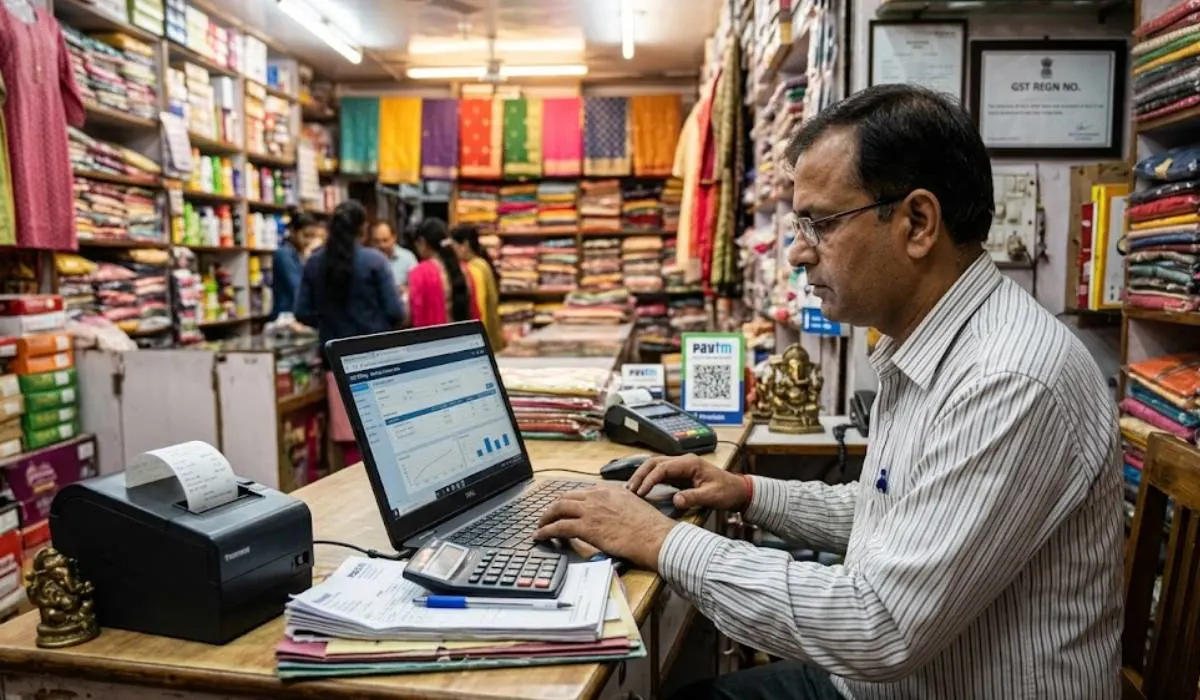
Latest Indian GST rule changes under GST 2.0 dropped 12% and 18% slabs last year for simpler taxes basics at 5%, electronics 25%, luxury cars 40%. Small shops under Rs 5 crore turnover file quarterly now, ditching monthly paperwork that ate weekends.
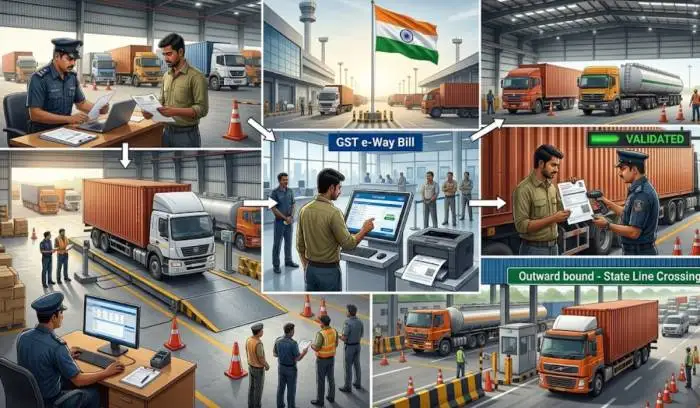
From October 2025, e-way bills hit harder over Rs 50,000 needing vehicle details upfront or Rs 10,000 fine waits. Input credit? Gone if suppliers unpaid in 180 days like my cloth merchant pal who paid extra from pocket. Delhi traders gripe over phone taxes jumping Rs 1,400 on Rs 20,000 sets, nudging buys to local brands.
AC restaurants climbed to 12%, so chai bills bite during breaks. Government nabbed Rs 2,000 crore from dodgers via smart scans; one portal skips state office runs but late filers face 18% yearly interest. Exports zero-rated fully sparked Tirupur jobs, collections up 15% fund roads. File early, match invoices tight, use free GST tools check gst.gov.in, no big shifts till 2028.
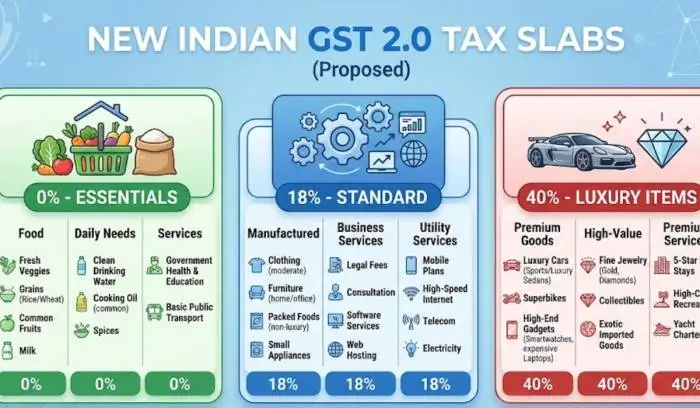
Last year the government rolled out what they call GST 2.0 and it shook up tax slabs plus how you file returns. They did away with the 12 percent and 18 percent rates to keep things straightforward for common items people buy daily. Luxury things such as fancy cars now carry a 40 percent tax while basics hold steady at 5 percent. These GST new rules today give relief to small stores but make big purchases cost more.
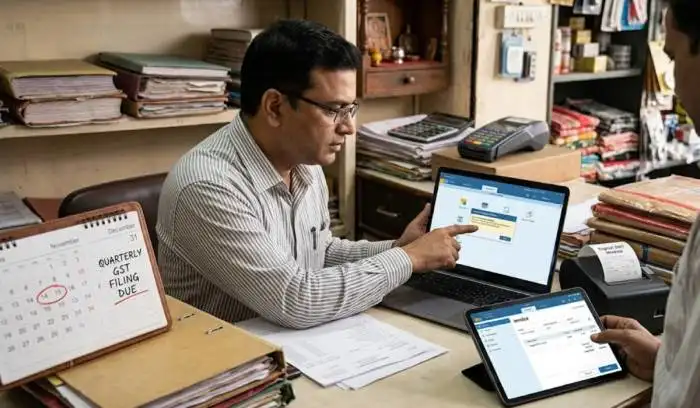
For many businesses filing returns every three months took over from monthly ones if your yearly turnover stays under five crore rupees. This cuts down the paperwork load for traders like the corner vegetable seller who used to spend weekends on forms. A friend of mine with a small electronics repair shop in my neighborhood told me he now has time for customers instead of staring at screens late into the night.
Read More: Latest Cybersecurity News for Indian Enterprises in 2026: 70% Attack Surge and Fixes
From first October 2025 e-way bills turned tougher for goods worth over fifty thousand rupees crossing state lines. You have to enter vehicle details right at the start or risk a fine of up to ten thousand rupees. This move cracks down on fake invoices that honest traders always hated facing.
Rules for Input Tax Credit got stricter as well. Miss paying your supplier within one hundred eighty days and you forfeit the credit. I heard from a cloth dealer nearby who faced this last quarter and ended up dipping into his savings to cover the tax. Look at the table here that lays out old rules against the new ones side by side.
| Item Type | Old Rule | New Rule (Oct 2025) |
|---|---|---|
| E-way Bill Limit | Rs 1 lakh | Rs 50,000 |
| ITC Payment Deadline | No fixed time | 180 days |
| Quarterly Filing | Turnover > Rs 5 crore | Turnover < Rs 5 crore |
The goal behind these updates is to block money leaks but it asks for better record keeping from your end.
The fresh setup keeps essentials such as rice and milk at zero or five percent. Electronics though climbed from 18 percent to 25 percent and luxury watches hit 40 percent. Families planning to pick up a TV for Diwali this year find the tax adding up higher than before.
Picture a mobile phone priced at twenty thousand rupees. Earlier GST came to three thousand six hundred at 18 percent. Now it reaches five thousand at 25 percent. People turn towards local brands that often land in lower tax brackets. The government points to this protecting small manufacturers but shop owners notice slower sales on pricier items.
Services feel the pinch too with air-conditioned restaurants moving to 12 percent from five. The owner of a cafe down the street shared how his costs jumped 20 percent in a flash. Customers now pause before ordering that extra coffee or snack.
Fresh reports highlight extra support for small and medium enterprises. Starting January 2026 you claim bonus credit when buying from local sellers. This ties into Make in India but works only if your supplier files returns promptly.
Crackdowns on tax dodging brought in two thousand crore rupees in recoveries over the last quarter. Tax officers rely on computers to catch invoice mismatches. An exporter I read about in Mumbai missed his refund because the buyer delayed filing. Double-check your supply chain before you claim anything.
Following rules became simpler through one portal covering all states. Forget rushing between GST offices in different places. Late filing penalties though climbed to 18 percent interest yearly. Settle payments early or watch the amount grow.
You May Also Read: How to Use Offline Google Maps on Android in India - Guide
Start by updating your accounting software for the new tax slabs. The GST website offers free tools suited for small traders. Next train your team on e-invoicing which everyone with turnover above ten crore rupees must do.
Keep all invoices in digital form and backed up safely. A shop fire last month destroyed papers for one owner leading to fifty thousand rupees in fines. Join trader groups in your area for quick updates. They pass along notices ahead of newspaper stories.
File returns ahead of the quarterly deadline. Opt for the composition scheme if under one point five crore turnover and pay a flat one percent tax. A relative who made the switch saw his tax bill drop by half right away.
Consider a Delhi auto driver picking up spare parts. The new flat 18 percent rate on them means two hundred rupees extra per set which bites into his daily take-home. Families notice when school fees or basic medicines carry higher costs.
On the brighter side zero-rating for exports opened up fully leading to more jobs in spots like Tirupur garment units. One factory hired a hundred extra hands after refunds flowed without hitches.
Official numbers show tax collections rose 15 percent this year from smoother compliance. That cash builds roads and schools benefiting everyone around.
Pair every purchase invoice before claiming credit. Apps out there spot mismatches for you. On luxury sales collect the 40 percent tax upfront to avoid headaches later.
During audits pull out bank statements showing payments went through. Hold goods records for three years just as required. Chat with a local chartered accountant once a year but manage the routine yourself to keep fees low.
People often skip reversing credit on unpaid bills. Notices and interest payments follow quick. Some overlook how states enforce rules differently.
A bakery skipped e-way bills for flour over fifty thousand and paid twenty thousand in fines. A quick check would have saved the day.
Taxes on luxury bring in more funds for welfare programs. Small outfits gain room to breathe with simpler filing. Daily goods see a slight price nudge upwards though.
People in the know predict GST collections touching twenty lakh crore this year. Funds like these push projects such as the Delhi-Meerut expressway that cut travel time for thousands.
Digital steps ramp up ahead with biometric logins for larger filers by 2027. Get comfortable using UPI for every deal.
No big slab changes promised until 2028. Efforts stay locked on stopping evasion.
New slabs sit at five 25 and 40 percent with quarterly filing for small firms and e-way bills over fifty thousand stricter.
Yes if under five crore turnover file quarterly and luxury sales hit 40 percent tax.
Head to gst.gov.in or pib.gov.in for straight-from-source updates.
Up to ten thousand rupees or 100 percent of tax dodged whichever stands higher.
No credit reverses if payment misses the one hundred eighty day mark.