AI SEO Software Review for Small Websites: What Actually Works in 2026
Small website owners face a tough choice. You need SEO tools to rank. But most paid tools cost too much...
Gadgets & Technologies Are Together
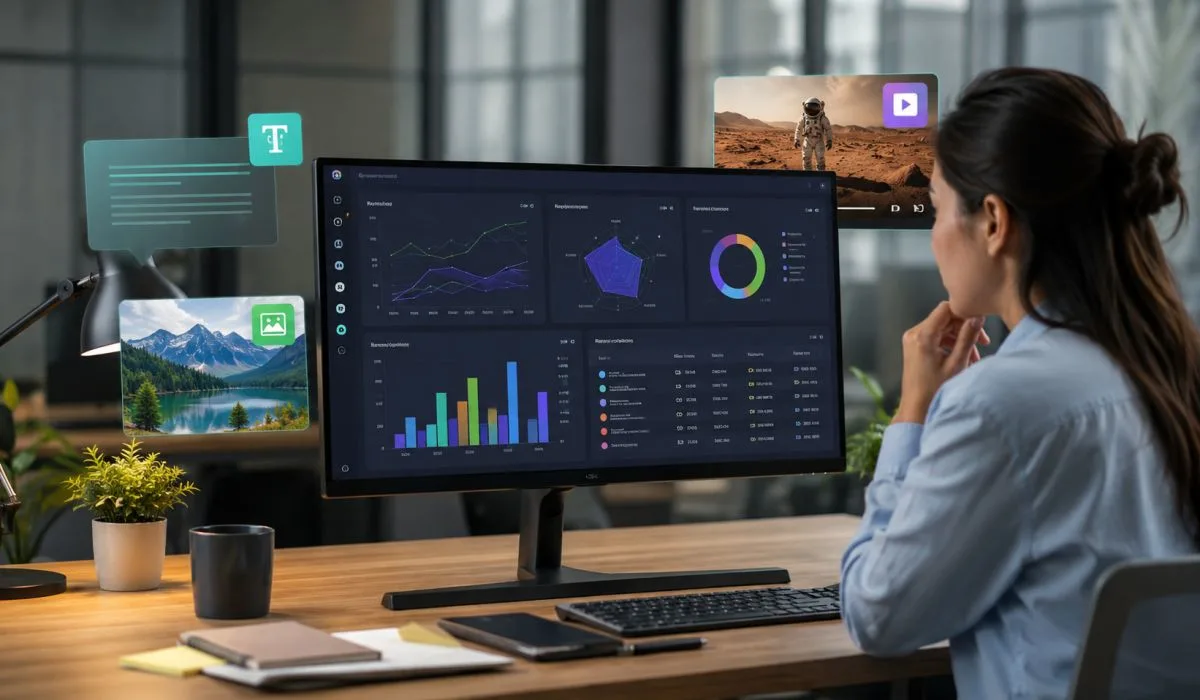
Picking the right generative AI platform is harder than ever. There are dozens of options. Each one claims to be the best. But the reality is more complex. Different tools excel at different tasks. Some write better. Some generate images. Some do research. Some are free. Others cost hundreds per month.
This generative AI platform reviews 2026 guide cuts through the hype. We tested the leading tools across writing, images, video, and research. We focused on real performance, not marketing. Claude leads in writing. Midjourney and Nano Banana lead in images. Perplexity and NotebookLM lead in research. This article helps you pick the right tool for your needs.
Claude consistently produces the best writing among all AI models. It handles long documents well and maintains a natural, professional tone. For content work, coding, and system building, nothing else comes close .
Anthropic's model is particularly strong at maintaining context across long conversations. It avoids harmful responses and prioritizes safety. Writers, researchers, and coders all benefit from its long-context capabilities . The writing quality is noticeably better than most competitors.
OpenAI's ChatGPT remains the most versatile platform. It performs well across all areas: logical reasoning, data analysis, voice, and vision capabilities. The "Deep Research" mode has become quite good for complex inquiries .
ChatGPT Image 2.0 produces genuinely impressive outputs. The paid version offers more advanced features, but the free tier covers most basic needs .
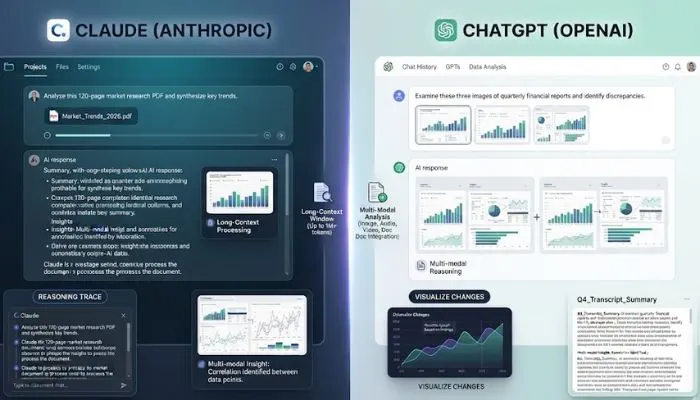
Gemini's biggest advantage is its integration with Google Workspace. It handles very long documents and videos well due to its large context window . The "Deep Research" mode is solid, though writing tends to be more generic than Claude's or ChatGPT's .
For Google users, Gemini is the natural choice. It works seamlessly across Gmail, Docs, Sheets, and Slides.
Perplexity is an AI answer engine that excels at web search. It provides citations for every answer, making it reliable for fact-checking and research . The free version offers unlimited basic searches and about five Pro searches per day .
Perplexity is less conversational than other chatbots, but it excels at quick, cited answers. Students and researchers find it invaluable for literature review . The Comet web browser bakes AI directly into the browsing experience.
Read More: Groww App Review 2026: Is It Safe and Worth Investing?
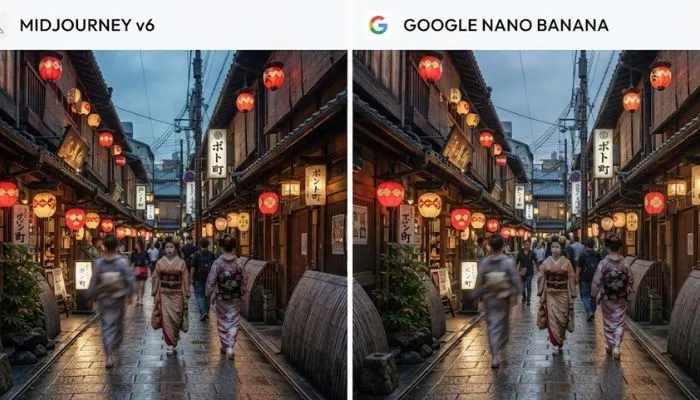
Midjourney produces the highest quality AI-generated images. Version 8.1, released in April 2026, refined stability and consistency for production-ready output . The artistic range spans photorealism to stylized illustration .
However, some experts rate the output quality at 5 out of 10 compared to newer tools like Nano Banana, rated 9 out of 10 . Midjourney remains popular, but the hype may be ahead of where the tool actually sits.
The main barrier is accessibility. Midjourney still operates primarily through Discord, which is unfamiliar territory for non-technical users . The cheapest plan is $10 per month with no free tier.
Adobe Firefly is the safest option for commercial use. It is trained on Adobe Stock images, offering legal indemnity for businesses . The tool integrates directly into Photoshop and Premiere Pro .
Firefly prioritizes brand safety and copyright compliance. For marketing teams and enterprise designers, this is essential .
Google's Nano Banana generates photorealistic images with exceptional quality. Experts rate it 9 out of 10 for output, matching the hype around it . It is fast and free, making it a strong contender for most users.
Runway's Gen 3 Alpha and Gen 4 models create cinematic video clips from text or image prompts . Filmmakers and creative agencies use it for pre-visualization, allowing directors to see a scene before picking up a camera.
Officially launched in February 2026, Seedance 2.0 supports text, image, audio, and video inputs . It offers native audio-video synchronization and reference-driven editing. Experts rate it as one of the best video tools, deserving more attention than it gets .
Synthesia uses AI avatars to turn scripts into professional videos for training, sales, and internal updates . It offers 150+ AI avatars and localization into 120+ languages. Synthesia reduces video production costs by over 90%, eliminating the need for cameras and studios .
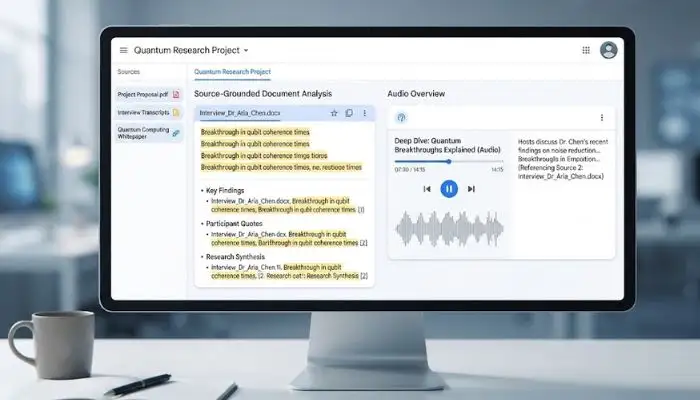
NotebookLM is Google's tool for source-grounded research. Upload up to 50 sources per notebook, including PDFs, websites, videos, and Google Docs. It generates summaries, cross-document connections, and audio overviews .
The free version includes 50 chats per day, 3 audio overviews, and 10 deep research queries per month . New features include cinematic video overviews and PPTX export.
Elicit automates systematic literature reviews. It searches by questions, not just keywords, and summarizes studies in custom tables . The free version covers about four papers per query.
SciSpace supports specialized biomedical searches across databases like ChEMBL and TCGA . It helps with drug repurposing, diagnostic reasoning, and lab calculations . Plans range from $12 to $90 per month depending on features.
Consensus provides evidence-based answers from over 200 million academic papers . The "Consensus Meter" shows how studies support or contradict claims. The free version includes monthly credits.
You May Also Read: Best Gaming Console Review 2026: Top Console Picks
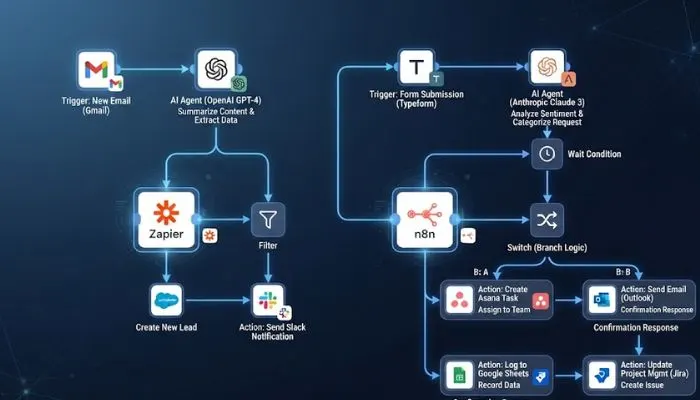
Zapier connects over 7,000 apps with built-in AI steps for text generation, classification, and summarization . The free tier includes 100 tasks per month. It is the fastest path from idea to working automation.
n8n is the open-source alternative. It offers 422+ app integrations and supports self-hosting for GDPR compliance . The AI Agent node chains language models with operational tools.
Jasper is designed for marketing teams. It can be fed brand guidelines, past blog posts, and product details to ensure consistent output . Organizations report automating 40-60% of initial content drafting .
Many tools offer genuinely useful free tiers :
The generative AI landscape in 2026 is diverse and competitive. Claude leads in writing quality. Midjourney and Nano Banana lead in image generation. Runway and Synthesia lead in video. Perplexity and NotebookLM lead in research.
Many free options are genuinely useful. Start with free tiers to test what works for your workflow. The right tool depends on your specific needs. Match the tool to the task, and you will see real results
Claude is the best for writing and long-form content. It maintains natural, professional tone better than competitors. ChatGPT is more versatile across all tasks. Gemini works well for Google users. Choose based on your specific needs.
Perplexity and NotebookLM are excellent free research tools. ChatGPT and Claude both have generous free tiers. HuggingChat is completely free with no login required. Pollinations.ai offers unlimited free image generation.
NotebookLM is great for analyzing your own documents. Perplexity excels at cited web search. Elicit and SciSpace are best for academic literature review. Use different tools for different research tasks.
Adobe Firefly is the safest choice for commercial use. It is trained on licensed images and offers legal indemnity. Midjourney and Nano Banana produce higher quality images but may have usage restrictions. Check terms before using images commercially.
Runway is best for cinematic creativity. Synthesia is best for business videos with avatars. Seedance 2.0 is emerging as a strong multi-modal contender. Choose based on your video type and workflow.