Admin
August 6, 2026
9 min read
Unique App Features for Startups That Work in 2026
Building an app is easy these days. Building one people actually use and pay for? That is the hard part. With over 75% of new apps now built on low-code platforms with integrated AI, the barrier to entry is lower than ever . But low barrier also means more competition.
The apps that succeed in 2026 share something important. They do not try to be everything to everyone. They solve one specific problem for one specific group of people. And they use AI not as a gimmick, but to deliver real value.
This article covers unique app features for startups that are working right now. We look at real examples, common patterns, and ideas you can adapt.
The Pattern Behind Successful Apps
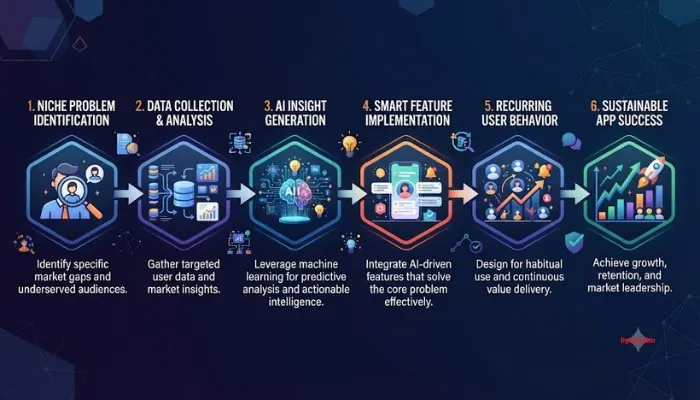
Most breakout apps follow a simple formula. They find a group of people who spend money, have a repeating problem, use photos or videos as inputs, care deeply about accuracy, and are stuck with bad existing tools .
Think about it. Vinyl collectors need to price their records. They take photos. They care about accuracy. The existing tools are clunky. An app that scans vinyl records and gives accurate pricing solves a real problem. That is why it works .
The same pattern applies to many successful apps. Find a niche. Solve one job that always needs to be done. Build around a single high-intent input like a photo, address, or object. Use AI to unlock a premium insight like a price, diagnosis, or design plan. Wrap it in a simple interface. Create a recurring behavior that pulls users back .
Read More: Generative AI Features for Websites in India: Complete Guide
Feature 1: AI That Anticipates, Not Just Responds
The old way was simple. You open an app, type a command, and it responds. The new way is different. Apps no longer wait for commands. They use on-device AI to anticipate what you need based on your location, behavior, and patterns .
Examples that work:
- An app that adjusts your workflow when you enter a specific geolocation
- A productivity tool that automates file management based on your habits
- A fitness app that suggests workouts based on your fatigue level, not just your schedule
Why it works: Users do not have to think. The app just works. This reduces friction and keeps people coming back.
Feature 2: Turning Screen Time into Action
Most digital products encourage passive consumption. You scroll, watch, and consume. The apps that stand out flip this. They turn screen time into active engagement.
- Real example: Pushcroll is a fitness app that blocks social media until you do push-ups. The app uses AI to track your push-ups. You cannot scroll until you complete the workout . The app makes over $30,000 per month in profit with zero ad spend .
- Why it works: It solves a real problem. People want to stop doom scrolling. They also want to exercise. The app forces a trade-off. You get both, but you have to earn the scrolling.
- Another example: Students at Parul University built an AI-powered motion-based learning app. It turns passive screen time into active learning. Learners move, respond, and participate. The app won three national hackathons .
Feature 3: The "Niche Community" Approach
Social apps are not new. But niche social apps that serve specific communities are growing fast.
India-specific examples:
- Unicon is India's startup and investor social network. It combines founder feeds, reels, audio spaces, chat rooms, and investor discovery. The app is tailored specifically for the startup ecosystem .
- TG10x is another community platform for India's startup ecosystem. It includes a directory, sector-based discovery, job postings, and messaging .
- MappCall is a Made-in-India networking platform for SMBs and professionals. It combines geo-location search, voice and video calling, job features, and a marketplace .
Why it works: These apps serve specific professional communities. Users join to connect with people who share their goals. The engagement is high because the value is clear. You are not competing with Facebook or Instagram. You are serving a focused group.
Feature 4: Gamification That Actually Sticks
Gamification is not new. But the apps that do it well are seeing real results.
- Real example: Pi-Squared is a free gamified math app created by two graduate students. It includes daily challenges, timed games, and leaderboards. The most popular feature is the daily math game, inspired by Wordle .
- The app reached the top of Ireland's free education apps chart. It has over 16,000 downloads and 1,500 daily users . The founders focused on shifting people's attitude toward math. Gamification was the tool, not the goal.
- Why it works: The games are fun and challenging. The leaderboard creates friendly competition. Users play daily because they want to beat their score. The retention is built into the product design.
Feature 5: AI Personalization with a Twist
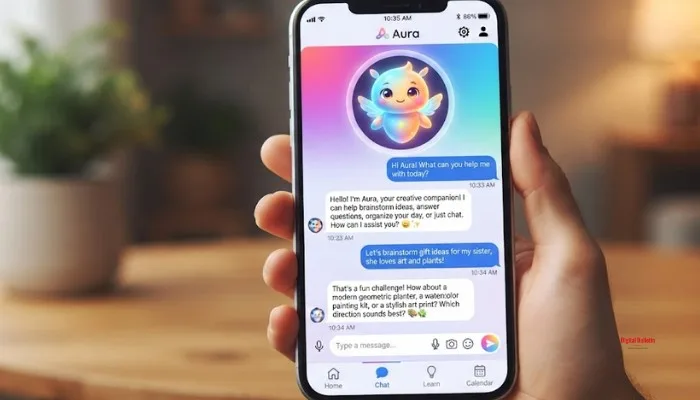
AI personalization is becoming standard. But the apps that stand out use it in a specific way. They create a feeling of connection, not just recommendation.
- Real example: Tolan is an AI app that lets you create a personalized alien companion. Users have real-time conversations with their alien buddy. The AI carries emotional context. The app reached $1 million in annual recurring revenue and over 500,000 downloads .
- Why it works: The character is memorable. The conversations feel authentic. Users form an emotional connection. This keeps them coming back. The app also used TikTok marketing effectively. The bright, visual characters made for great short-form content.
Feature 6: Short-Form Content as a Business Model
Short drama apps are exploding. The global market is projected to reach $7.99 billion in 2026. That is nearly double from the previous year .
- Examples: ReelShort, DramaBox, and ShortMax. These apps specialize in 60- to 90-second vertical episodes. They use a pay-per-episode or hybrid ad model. Top apps have seen revenue growth exceeding 500% and 1,200% .
- Why it works: People have short attention spans. They watch during commutes or breaks. The high-intensity plots and cliffhangers keep them hooked. They pay to see what happens next.
App Ideas to Make Money: The Playbook
If you want to build an app that generates revenue, here is the playbook from successful founders:
- Validate before you build. Do not spend months building something nobody wants. Test the idea with a simple video or landing page. Pushcroll's founders posted a concept video on TikTok before building the app. The response told them to build it .
- Solve your own problem. You understand the problem because you live it. This gives you intuition on features, language, and where your audience hangs out .
- Build for a specific audience. Be narrow. "Wrestling high schoolers" beats "sports." Narrow audiences are easier to reach and convert .
- Use AI to create obvious value. Do not add AI just to say you have AI. Use it to deliver something that feels materially better. Photo analysis, personalized feedback, actionable insights. Users pay for value, not features .
- Start with organic distribution. Do not spend on ads until you know what works. Post on TikTok. Test formats. Find what resonates. Then scale what works .
- Build a community. Pushcroll built a 4,000-person Discord community. Users give feedback, share progress, and create content. It is free user research and free marketing .
You May Also Read: Edtech Features for Students: 7 Things That Actually Work in India
Unique App Ideas for Students
Students are in a unique position. They understand the problems of their peers. They can build solutions that speak directly to their audience.
- Motion-based learning: An app that requires physical movement to learn. Students at Parul University built this and won national recognition .
- AI tutor that lives in your notes: Opennote integrates with Notion and Google Drive. It turns static notes into interactive learning. The app was built by students and accepted into Y Combinator .
- Math games that are actually fun: Pi-Squared is built by students for students. The gamified approach has attracted thousands of daily users .
Trending and Relevant App Ideas in 2026
Here are some app categories that are trending right now:
- AI video generators: Apps that turn text or photos into viral video clips
- Personalized language tutors: AI tutors that adapt to your learning style
- Interior design visualization: Apps that let you see furniture in your room before buying
- Health and wellness that works with your phone: Apps that track body changes, not just weight
- Niche marketplaces: Connecting professionals in specific industries
The Bottom Line
The unique app features for startups that are working in 2026 are not complicated. They focus on solving one specific problem for one specific group. They use AI to deliver real value, not just buzzwords. They prioritize distribution and community over paid ads.
The best part is that anyone can do this. You do not need to be a professional developer. You need a clear problem, a product that actually helps, and a plan to reach the people who will use it. AI makes building easier. Distribution still makes it stick .
FAQs
1. What app features work best for startups?
AI that predicts what you need. Apps that adjust based on where you are and what you do. Niche communities for specific groups like founders or students. Gamification that changes behavior. Pushcroll blocks social media until you exercise. Simple and effective.
2. How do I find a good app idea?
Look at your own daily frustrations. What annoys you? What do you wish existed? Test the idea first. Post a video on TikTok. Make a landing page. If people show interest, build it. If not, move on. Focus on one group with one clear problem.
3. What app ideas make money?
Niche marketplaces connect professionals in specific fields. AI video generators turn text into clips. Health and wellness apps are always popular. Short drama apps use pay-per-episode models. Find people who spend money on their problem. Solve it better than anyone else.
4. What are good app ideas for students?
Motion-based learning apps. Games that make math fun. AI tutors that live in your notes. Students know their peers' problems best. That gives them an advantage. Pi-Squared reached number one in Ireland's education charts.
5. How do I get users without spending on ads?
Post on TikTok. Share concept videos. Build a Discord or Telegram community. Pushcroll built a 4,000-person community before spending on ads. Communities give free feedback and free marketing. Test formats. Find what works. Scale what works.