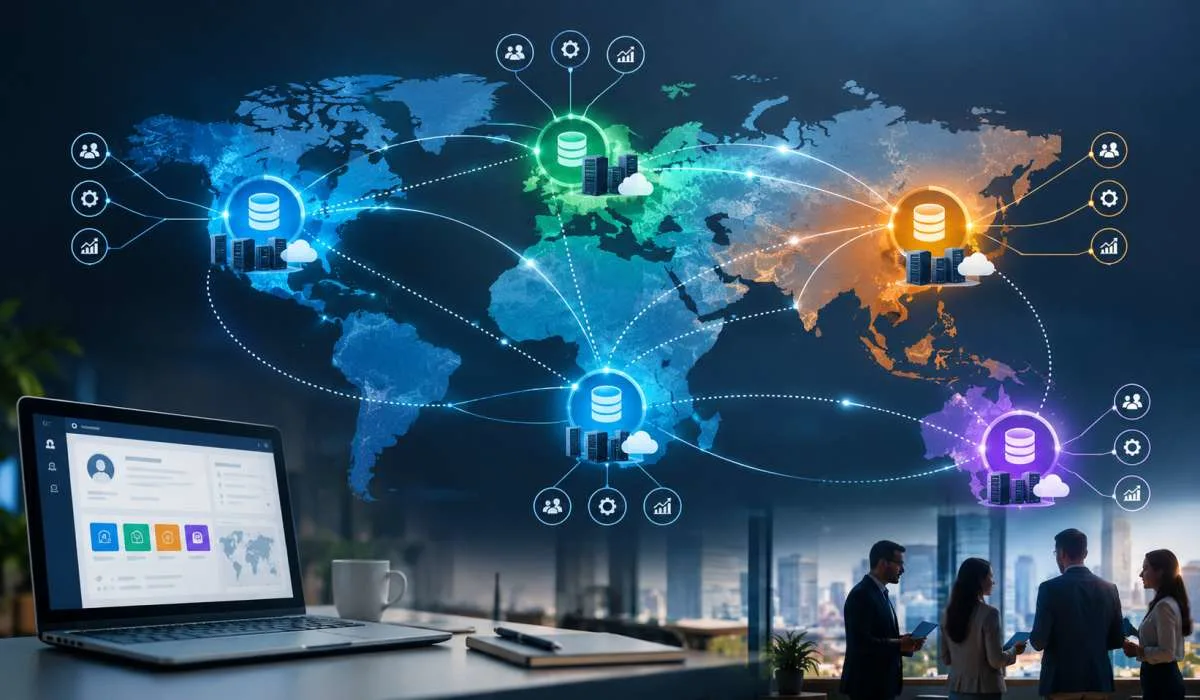
Enterprise CRM for Global Companies: Best Platforms in 2026
Global companies face challenges smaller businesses do not. Data residency laws. Multi-currency transactions. Multilingual teams. Regional compliance. A CRM that...
Gadgets & Technologies Are Together
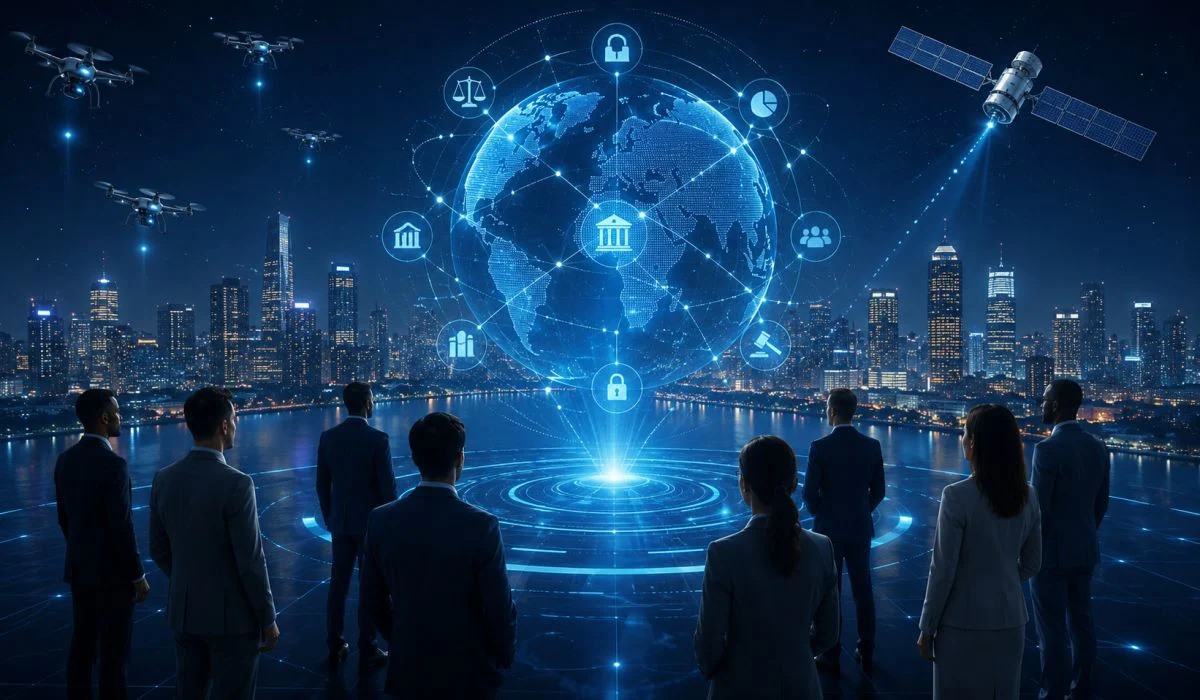
Tech is moving fast in government right now. If you follow trending government technology news, you see new tools pop up every week. Countries are using AI to cut wait times. They are building smarter systems for citizens. India is setting up AI hubs.
Indonesia launched a digital platform that joins all its services in one place. New computer chips from Nvidia are changing how we work. They run AI tasks right on your device. No cloud needed. The goal is simple. Make things faster. Make things easier. Keep data safe. This is not future talk. It is happening now.
These are the stories everyone is talking about in the tech world.
The World Economic Forum released its Top 10 Emerging Technologies report at the Summer Davos forum in Dalian, China. The report highlights breakthroughs in energy, medicine, and infrastructure that are expected to achieve real-world impact within the next three to five years .
Here is a breakdown of the top 10 emerging technologies :
Buildings, vehicles, and devices are no longer just electricity consumers. They can now store and return power to the grid when demand peaks .
In California, more than 16,000 solar-equipped homes pushed 51 megawatts of power back to the grid during one evening peak in 2024. That output exceeded several fossil fuel peaker plants without any emissions .
Lithium is essential for batteries. Traditional extraction uses evaporation ponds that take up to two years. Direct lithium extraction pulls battery-grade lithium from brine in hours .
The process uses less land and water. Several plants already operate in Argentina, the United States, and Australia .
These materials reflect 95% of incoming sunlight and keep surfaces cooler than the surrounding air without using electricity .
They are applied as paints, coatings, films, or building parts. California and China already mandate cool roof materials in their green building standards. Suppliers report energy savings of up to 20% in grocery and retail stores .
PFAS are called "forever chemicals" because they resist breakdown. They are found in drinking water and remote areas like the Arctic .
New methods use superheated water, electrical currents, or UV-driven chemical reactions to break the strong carbon-fluorine bonds in PFAS. A Michigan facility has destroyed PFAS from landfill runoff since 2023. Daikin Industries, a major PFAS producer, destroyed 99.99% of PFAS in a field trial using a UV-based method .
This technology turns microbes into factories for proteins, enzymes, and drugs. Instead of crops or animals, the genetic code is inserted into yeast or bacteria .
Companies already produce microbe-derived egg proteins and animal-free whey protein for food manufacturing. The technology also creates cosmetic peptides, pharmaceutical compounds, and chemicals traditionally made from fossil fuels .
Exosomes are tiny particles that carry proteins and genetic material between cells. Loading them with therapeutics overcomes delivery barriers because the body recognizes them as its own .
In a Phase 1 trial, pancreatic cancer patients with no remaining treatment options were stabilized using engineered exosomes. Exosomes also show strong potential for Alzheimer's and Parkinson's treatment .
These vaccines are designed from a patient's own tumour mutations. They train the immune system to recognize and attack specific cancer cells .
A melanoma trial in South Carolina showed patients receiving a personalized mRNA vaccine alongside immunotherapy had a 40-50% reduction in recurrence or death risk compared to immunotherapy alone .
Nine out of ten new drugs that enter clinical trials fail. Quantum simulation uses quantum computing to model molecular behaviour with far greater accuracy than traditional methods .
In 2025, IBM and Moderna used quantum computing to run one of the largest simulations of protein folding and mRNA interactions to date .
World models are a new type of AI that understands and predicts how the physical world behaves. They learn from video, sensors, and text to create virtual representations of real-world events .
NVIDIA's Cosmos platform trains robots on physical-world data so they can adapt to unfamiliar environments using an internal model of how things work .
This new encryption method is designed to stay secure even against future quantum computers. It hides data in complex mathematical structures and adds random information, making it extremely difficult to find the correct solution .
It already safeguards Apple's iMessage. Google plans to include it in Android. The US National Institute of Standards and Technology finalized post-quantum encryption standards in 2024 .
Government technology is moving fast. Countries are using AI to make public services smoother and faster. Companies are building powerful new chips and platforms. The trend is clear: technology is becoming more personal, more decentralised, and more capable of delivering results with fewer resources.
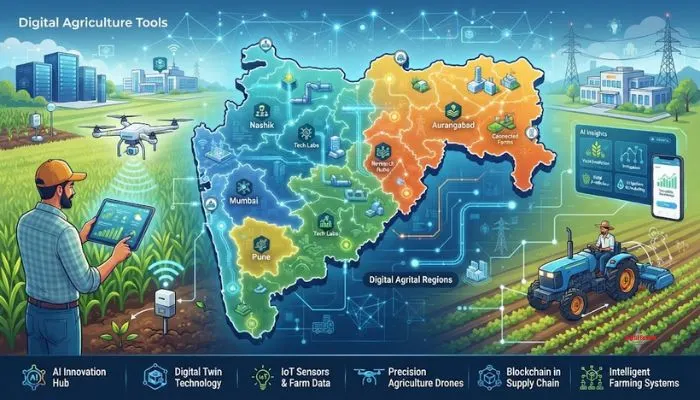
Governments are using smart tools to run things faster. India is setting up special zones for AI work. Indonesia put all its services on one digital platform. Old files and long queues are going away. Systems now handle millions of requests in one go.
AI does the boring paperwork. It checks if you qualify for a scheme. It tracks where your application stands. India's solar panel plan is a good example. It took years to sign up 7 lakh homes. Then they used AI and signed up 30 lakh homes in two years. Wait times dropped from months to days.
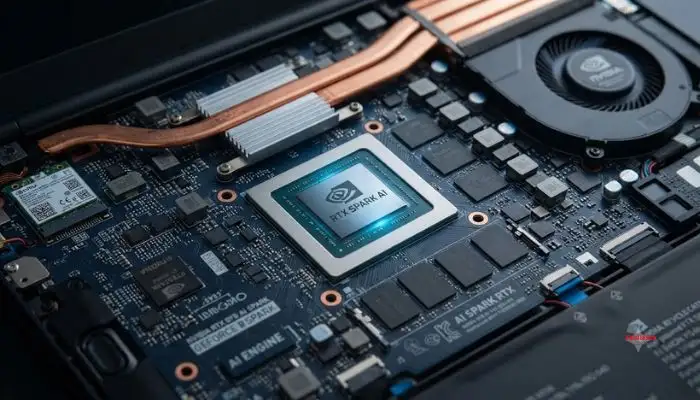
Nvidia made a new chip called RTX Spark. It runs big AI tasks right on your machine. You do not need the internet for it to work. Dell, HP, and Lenovo will sell laptops with this chip later this year. They are faster for video work and number crunching.
Safety is a big worry for everyone. Countries are spending more on cyber security. Indonesia has a team watching its new platform day and night. India is testing new encryption methods. The aim is to keep your details private while giving you fast service.
You spend less time at government offices. You can apply for things from your phone. You get updates on your application without calling anyone. Farmers get weather alerts and crop tips through AI apps. You can report a broken road or water logging through an app and see the fix happen faster.