Admin
July 13, 2026
13 min read
What Are the Best Software Features? Ultimate Buying Guide
Choosing the right software can be confusing. Every company says their product is best. But how do you really know what to look for? When you ask what are the best software features, you are already thinking the right way. You do not need to be a technical person. You just need to understand some basic points. Good software is simple to use. It works quickly without delays.
It protects your information from hackers. It has helpful support when you face issues. It gets new updates on time. It connects with other tools you already use. This guide explains exactly which features matter most. No technical talk. No confusion. Just straightforward answers to help you choose the right software for your work.
What Makes a Software Feature Actually Good?
It Solves a Real Problem
- The best software features fix something that bothers you. Think about it. When you download an app, you have a problem in mind. You want to edit photos. You want to track expenses. You want to send messages.
- Good features do exactly that. Nothing more. Nothing less.
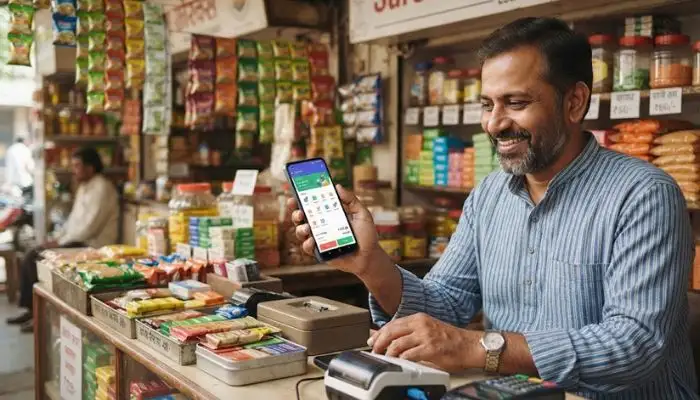
- My friend runs a small shop in Delhi. He uses billing software. The best feature for him is not the fancy reports. It is the quick search. He types the first three letters of any item and it shows up. Saves him hours daily.
- That is a good feature. It solves his real problem.
It Works Without a Manual
- You know what I hate? Software that needs a training session. Who has time for that?
- The best features work intuitively. You open it. You understand it. You use it.
- My mother uses a grocery delivery app. She is 62 years old. She does not read manuals. She just opens the app and orders. The features are so clear that she figured it out herself.
- That is good design. That is good features.
It Does Not Break
- Features that crash are useless. I do not care how many things a software can do. If it stops working in between, it is worthless.
- Good software features are stable. They work every time. You click a button. Something happens. Predictable. Reliable.
It Saves Time
- Time is the only thing we cannot buy more of. Good features respect that.
- They automate boring stuff. They remember your preferences. They suggest things you might need. They reduce clicks.
- One software I use remembers my regular orders. I click one button and it repeats the last order. Saves me five minutes every day. Over a year, that is 30 hours. That is a good feature.
It Grows With You
- The best features work when you are a beginner. They also work when you become an expert.
- They have simple options for new users. They have advanced options for power users. They do not force complexity on you. They give you more when you need it.
Read More: Edtech Features for Students: 7 Things That Actually Work in India
Understanding Different Types of Software
System Software Characteristics
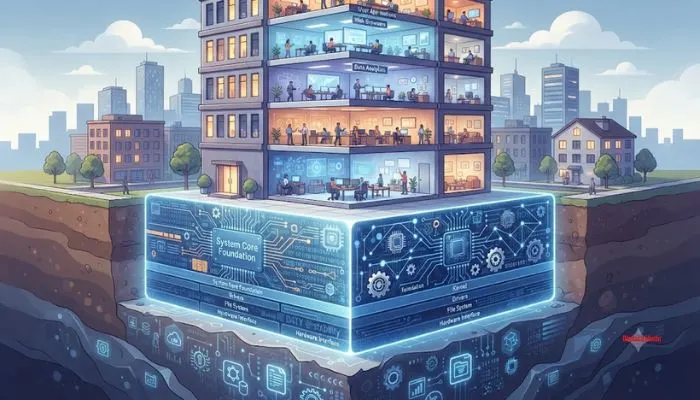
System software is the backbone. It runs behind the scenes. You do not see it but you need it. Operating systems are system software. Windows. MacOS. Android. iOS.
Characteristics of system software are important to know:
- It works directly with hardware
- It manages memory and storage
- It handles all the basic functions
- It provides a platform for other software
- It runs continuously in the background
Think of system software like the foundation of a building. You do not see it. But without it, everything falls.
The best system software features are:
- Stability: It does not crash. Your computer keeps running for days without restart.
- Speed: It responds quickly. You click, it acts. No waiting.
- Security: It protects your data. No one can hack in easily.
- Compatibility: It works with all your devices. Printer works. Mouse works. Everything works.
- Updates: It improves over time. New features come without breaking old ones.
My old laptop used to crash daily. That was bad system software. My new one runs smoothly. That is good system software.
Software Engineer Characteristics
Now let us talk about the people who build software. The ones who create these features.
Characteristics of a software engineer matter because they determine software quality.
A good software engineer has these traits:
They Think Logically
Software engineers break big problems into small pieces. They solve each piece. Then they put it together. This logical thinking helps them build features that actually work.
They Are Patient
Software does not work the first time. Or the tenth time. It takes trial and error. Good engineers do not give up. They keep testing. They keep fixing. They keep improving.
They Love Learning
Technology changes every day. New languages. New tools. New methods. Good engineers keep learning. They read. They practice. They stay updated.
They Understand Users
This is rare. Many engineers build for themselves. They add features they like. Good engineers build for users. They ask what people need. They build that.
They Work in Teams
No software is built alone. Engineers work with designers, testers, managers, and other engineers. They share ideas. They solve problems together. They communicate clearly.
They Care About Quality
Good engineers do not just make software work. They make it work well. They check for errors. They optimize speed. They ensure security. They take pride in their work.
Software Characteristics According to Common Sources
There are standard things that define good software. Many textbooks and websites like Javatpoint explain these.
Software characteristics javatpoint style teachings cover:
Functionality
- Does the software do what it promises? Simple question. Important answer.
- A billing software should bill. A camera app should take photos. A messaging app should send messages.
- If it does not do the basic thing, nothing else matters.
Reliability
- Will it work when you need it? Can you depend on it?
- You cannot have software that stops working during important work. It should be reliable. Always.
Usability
- Can people use it easily? Is it user friendly?
- This is a big one. Complex software is useless if nobody can operate it.
Efficiency
- Does it use resources properly? Does it run fast? Does it consume less battery?
- Good software does more with less. It is efficient.
Maintainability
- Can it be fixed and updated easily? When something breaks, can it be repaired?
- Software is never finished. It keeps changing. Good software is easy to maintain.
Portability
- Can it work on different devices? Different operating systems?
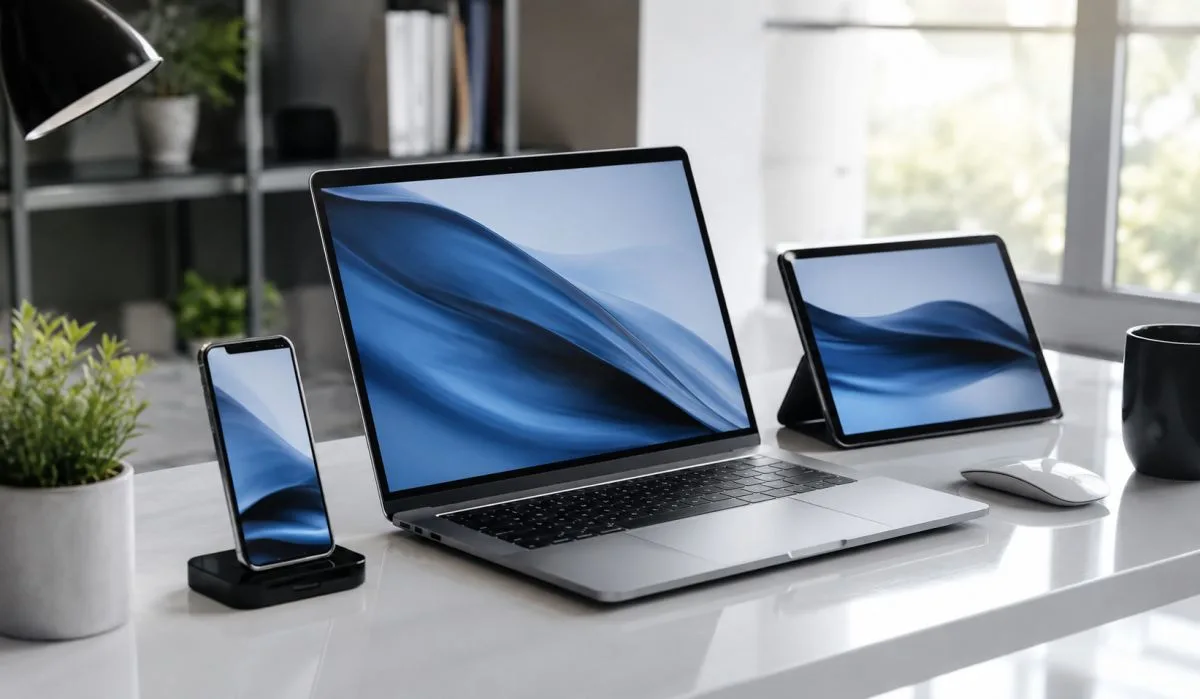
- The best software works everywhere. Phone. Tablet. Laptop. Desktop.
What to Look For in Software Features
Basic Features Are Non-Negotiable
These are features that every software in that category must have.
For a payment app:
- Add money
- Send money
- Receive money
- Check balance
- See transaction history
For a photo editor:
- Crop
- Rotate
- Adjust brightness
- Adjust contrast
- Apply filters
If these basics are missing, do not bother.
Advanced Features Make It Special
These are features that set good software apart from average software.
For a payment app:
- Split bills with friends
- Pay using QR code
- Auto-pay recurring bills
- Cashback and offers
- Insurance options
For a photo editor:
- Remove background
- Retouch faces
- Add text
- Merge images
- AI suggestions
These are not necessary. But they make life easier.
Features That Connect With Other Tools
No software exists in isolation. The best features connect with other software you use.
- Export data to Excel
- Share directly to WhatsApp
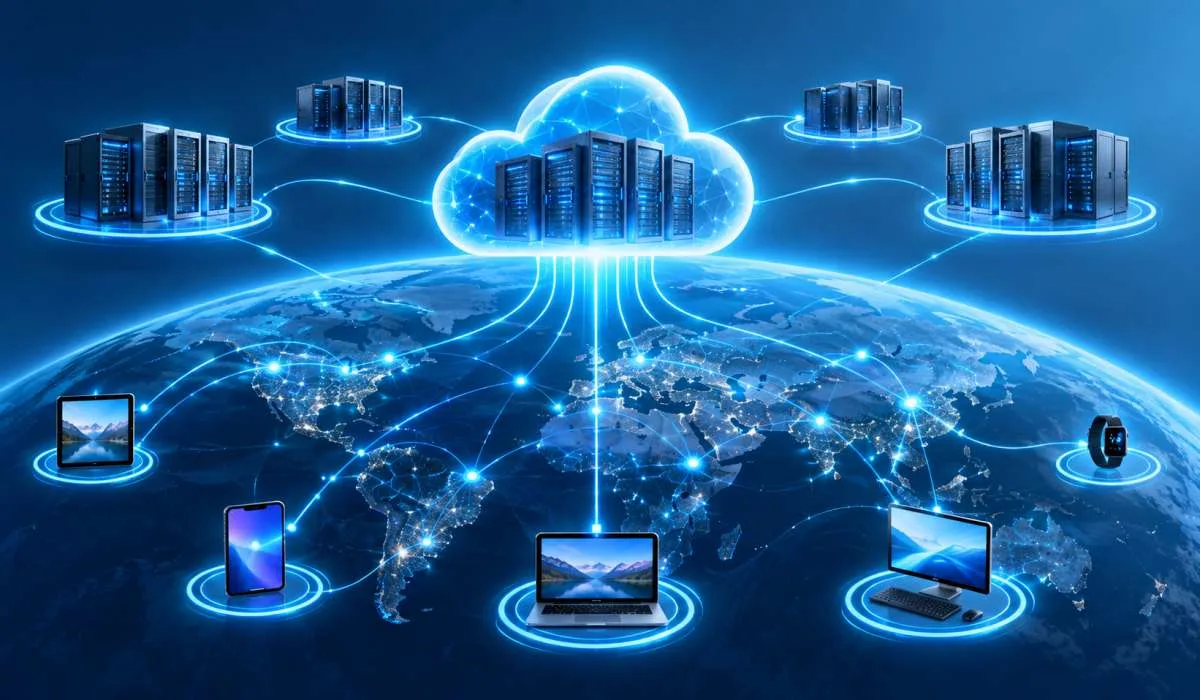
- Sync with Google Drive
- Login with Google or Facebook
- Backup to cloud
These connections save time. They reduce duplicate work.
Features That Keep Your Data Safe
Security features are not optional anymore. Every software must have them.
- Two-factor authentication
- Encryption
- Regular security updates
- Privacy controls
- Data backup options
I will not use any software that does not take security seriously.
Features That Give You Control
Good software gives you choices. Not restrictions.
- Customize the look
- Set your preferences
- Choose notification settings
- Control what data is shared
- Option to delete your account
You should feel in control. Not the software.
You May Also Read: IoT Features Explained GeeksforGeeks Style A Simple Indian Guide
Red Flags in Software Features
Too Many Features
- I see this often. Software that tries to do everything. It becomes good at nothing.
- A note-taking app does not need to edit videos. A calendar app does not need to track fitness.
- Too many features make software confusing. Slow. Buggy.
Features That Sell Your Data
- Some features are free. But they collect your data. They sell it to advertisers.
- Always check what data a feature collects. If something is free, you are the product.
Features That Force Updates
- Some software forces updates. You have no choice. This is annoying.
- Sometimes updates break things. Sometimes they remove features you liked.
- Good software gives you update options. You choose when.
Features That Are Hard to Find
- What is the point of a feature if you cannot find it?
- I have used software where good features are hidden in menus. Buried deep. Nobody knows they exist.
- Features should be discoverable. Easy to find. Obvious.
How to Choose Software Based on Features?
Step 1: Know What You Need
- Make a list of problems you want to solve. Write down what you need the software to do.
- Do not think about features yet. Just think about tasks.
Step 2: Look for Software That Does Those Tasks
- Search for software in that category. Read reviews. Ask friends.
- Make a shortlist of 3-4 options.
Step 3: Compare Features
- Check each software's features. Match them against your needs.
- Some will have more. Some will have less. Choose the one that matches your needs best.
Step 4: Test the Features
- Most software has free trials. Use them.
- Try the features you need. See if they work properly. See if you like using them.
- I always do this. It saves me from buying bad software.
Step 5: Think About the Future
- Will you need more features later? Will the software grow with you?
- Choose software that can scale. That adds features over time. That keeps improving.
The Best Features in Popular Software Categories
Communication Software
Best features:
- Clear audio and video quality
- Screen sharing
- Chat history
- File sharing
- Group calls
Examples: Zoom, Google Meet, WhatsApp
Productivity Software
Best features:
- Auto-save
- Collaboration tools
- Templates
- Search functionality
- Cross-device sync
Examples: Microsoft Office, Google Workspace, Notion
Finance Software
Best features:
- Expense tracking
- Budget creation
- Bill reminders
- Report generation
- Bank integration
Examples: QuickBooks, Zerodha, CRED
Design Software
Best features:
- Drag and drop
- Layers
- Color picker
- Templates
- Export options
Examples: Canva, Photoshop, Figma
Storage Software
Best features:
- Auto backup
- File versioning
- Sharing options
- Security encryption
- Large file support
Examples: Google Drive, Dropbox, OneDrive
My Personal Experience With Software Features
- I have been using software since 2005. I have seen good features and bad features.
- The worst feature I ever used: A software that made you watch a tutorial before you could use it. Forced learning. I uninstalled it in five minutes.
- The best feature I ever used: A note-taking app that syncs across all devices. I write on my phone. I see it on my laptop. Instant. No effort. Saves me every day.
- A feature I wish more software had: Offline mode. Many times I am in areas with bad internet. Software that works offline is a blessing.
- A feature I appreciate: Dark mode. Simple. But it saves my eyes at night.
The Future of Software Features
AI Features
Artificial intelligence is everywhere now. Some good. Some unnecessary.
Good AI features:
- Auto-suggestions while typing
- Smart search that understands context
- Photo enhancement
- Language translation
- Voice commands
Bad AI features:
- AI that makes mistakes and you cannot fix
- AI that changes things without asking
- AI that wastes time with wrong suggestions
Voice Features
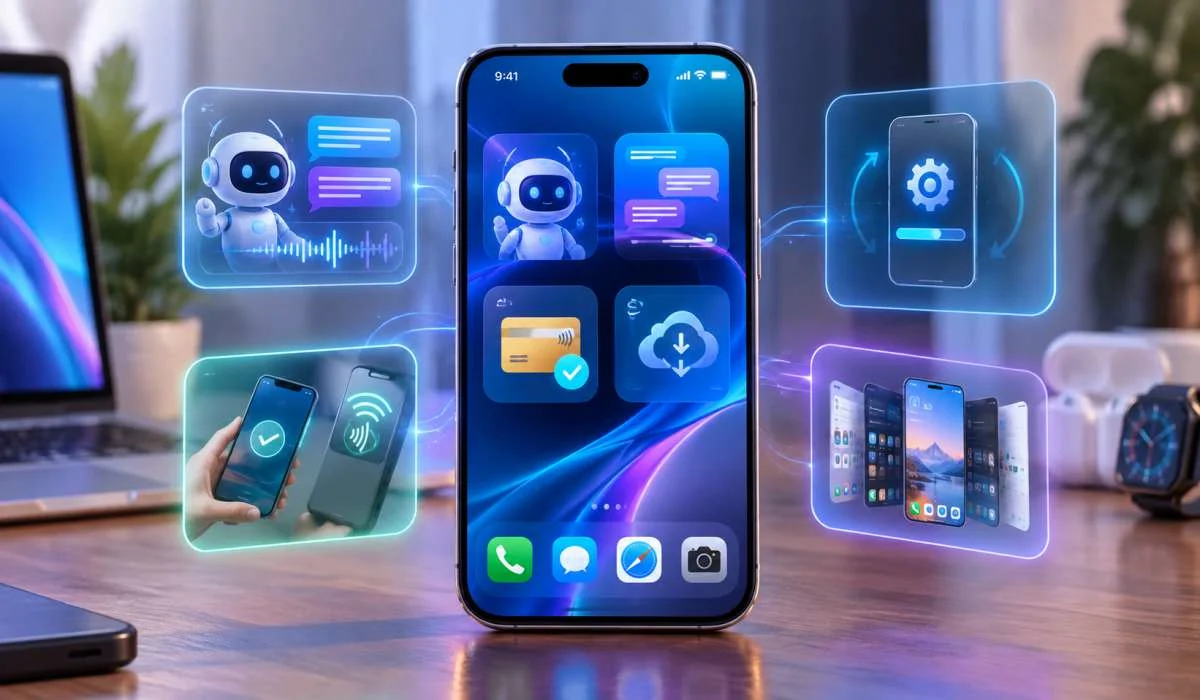
- Talking to software is becoming common. Voice features are getting better.
- You can ask your phone to set alarms. You can tell your laptop to search files. You can speak to your car navigation.
- This is useful. Especially while driving or cooking.
Integration Features
Software is connecting more. Your health app connects to your fitness band. Your calendar connects to your email. Your payment app connects to your bank.
This makes life seamless. Data flows between apps. You do not have to type things again and again.
Security Features
- Security will only get more important. Biometric login. Face recognition. Fingerprint scanning.
- These features protect your data. They are becoming standard.
Final Thoughts
Software features matter. But not all features matter equally. The best features are useful. They work. They are simple. They save time. They keep you safe.
When choosing software, do not get impressed by long feature lists. Look at what you actually need. Test it yourself. See if it works for you.
Most importantly, remember this. Software is meant to help you. Not complicate your life. If it complicates, it is bad software. Simple as that.
I have used software with 500 features. Used only 10. I have used software with 20 features. Used all 20. The second one was better. Focus on quality. Not quantity.
Quick Summary
- Best features solve real problems
- Best features work without manuals
- Best features are reliable and stable
- Best features save time and effort
- Best features are secure
- Best features give you control
System software needs stability, speed, security, compatibility, and updates. Software engineers need logical thinking, patience, learning mindset, user understanding, teamwork, and quality focus.
Look for functionality, reliability, usability, efficiency, maintainability, and portability in any software. Avoid software with too many features, data selling practices, forced updates, or hidden features. Choose software that matches your needs, works well, and grows with you.
FAQs
1. Which software feature is most important for small businesses?
User friendly interface. Your team uses it daily. Hard software wastes time and creates mistakes. Simple software saves time and makes work easy. Look for clean design and easy navigation.
2. How do I know if software has good security?
Check for two-factor authentication. Check for data encryption. Check for regular security updates. Ask the company about security. If they cannot explain clearly, do not buy.
3. What are the characteristics of a software engineer I should look for?
Problem solving ability. Attention to detail. Learning attitude. Teamwork skills. These characteristics of a software engineer directly affect software quality.
4. How much should I spend on software?
Start with free versions. Upgrade only when you need more features. Do not buy expensive software for looks. Do not buy cheap software just to save money. Find the balance.
5. What are software characteristics javatpoint in simple terms?
Correctness means software does what it claims. Reliability means it works without failing. Efficiency means it uses less computer resources. Maintainability means easy to fix. Usability means easy to use.