Which Technology Is Trending Today? Top Tech Trends 2026
Technology moves fast. What was hot last year is old news now. The question "which technology is trending today" has...
Gadgets & Technologies Are Together
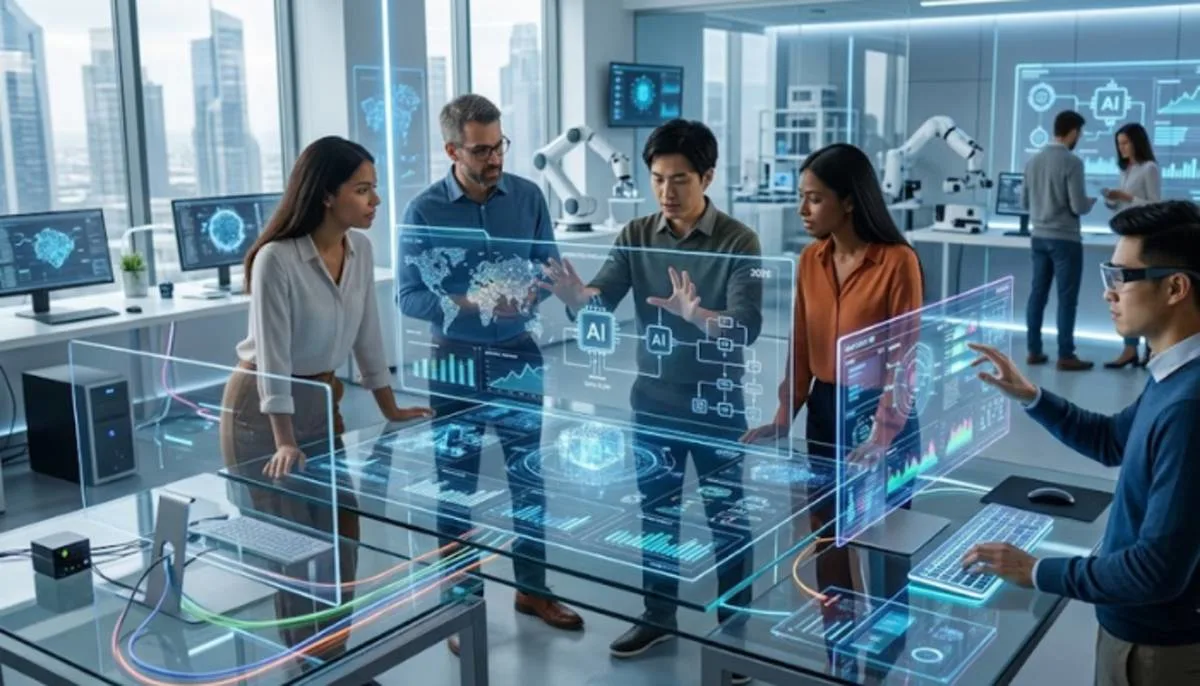
2026 will be a year of amazing technology changes, impacting us in every facet of life. As we look forward to the upcoming technology innovations in 2026 are expected to transform the way we work and live.The future of technology is bright and promising, with several new innovations expected to emerge in 2026 that will revolutionize the way we do things.
These are not only thoughts, but ideas. They are authentic tools which businesses and individuals can use today. These changes will impact you if you are a small shop in Mumbai, or a big office in Delhi. The top 10 technology trends 2026 will give us a clear indication of what is in store. It is important to know these tech trends now in order to be prepared and make the right decisions in the future.
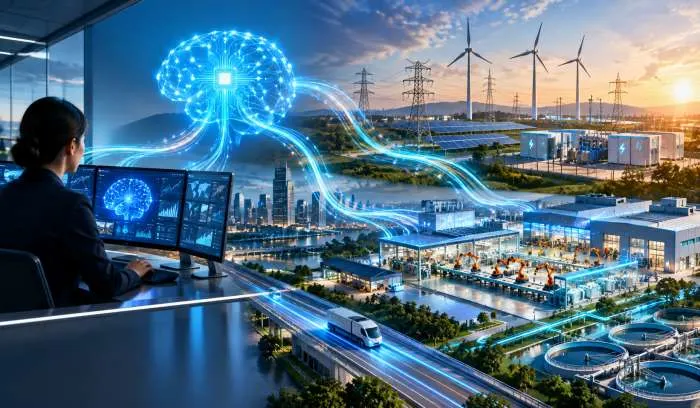
The main reason is artificial intelligence. AI has moved from being a helpful tool to becoming the backbone of almost everything we do . In 2026, AI is no longer just about computers and software. It is now stepping into the real world.
Machines can now see, hear, make choices, and take action. This is called physical AI, and it is one of the most important shifts happening right now .
For Indian businesses, this means new opportunities. For workers, it means new skills to learn. For everyone, it means change is coming fast.
Read More: Latest Indian GST Rule Changes You Need to Know Right Now
Here are the biggest technology trends you need to know about this year.
Imagine a computer so powerful that it can solve problems in minutes that used to take years. That is what AI supercomputing platforms offer.
These systems combine many types of processors to work together. They use special chips designed for AI tasks. They can handle huge amounts of data very quickly .
In India, companies are already using this power. Drug makers can now design new medicines in weeks instead of years. Banks can test different market conditions to reduce risk. Power companies can predict weather patterns to keep electricity running smoothly .
By 2028, over 40 percent of big companies will use these systems for important work . This is up from just 8 percent today.
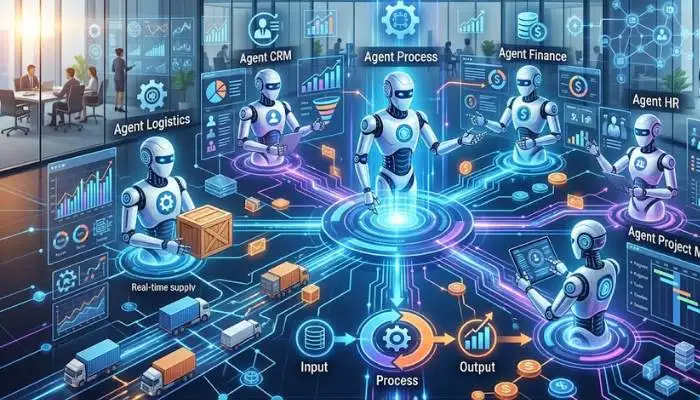
Think of a team of AI helpers, each doing a different job, but all working together. That is what multi-agent systems do.
Each AI agent handles one specific task. One might talk to customers. Another might check inventory. A third might process orders. Together, they complete a whole business process without human help .
For Indian companies, this means less manual work. Orders get processed faster. Customers get answers quicker. Workers can focus on more important tasks.
The beauty of this system is that it can grow easily. Need to handle more orders? Just add more agents. Need to change a process? Update one agent without changing the whole system .
You have probably heard of ChatGPT. That is a general AI model. It knows a little about everything but is not an expert in anything.
Domain-specific language models are different. They are trained on data from one specific field. A medical AI learns from medical records. A legal AI learns from court documents. A finance AI learns from market data.
These specialized models are more accurate than general ones. They make fewer mistakes. They follow the rules of their field more carefully .
By 2028, over half of all AI models used by businesses will be domain-specific . For Indian companies, this means better results and lower costs.
As AI becomes more common, protecting it becomes more important. Hackers are finding new ways to attack AI systems. They might trick an AI into giving wrong answers. They might steal sensitive data. They might take control of AI agents.
AI security platforms protect against these threats. They watch what AI systems are doing. They stop attacks before they cause damage. They make sure AI follows the rules .
This is especially important in India where many companies are adopting AI. Financial services, healthcare, and government are all high-risk areas.
By 2028, more than half of all companies will use AI security platforms to protect their investments .
This is one of the most exciting trends. Physical AI brings intelligence into the real world. It powers robots, drones, and smart machines that can see, think, and act.
In factories, robots can now adjust their work based on what they see. In warehouses, drones can find and move products. On farms, smart machines can check crop health and apply treatment exactly where needed .
For India, physical AI offers huge opportunities. It can help solve labor shortages in manufacturing. It can improve farming productivity. It can make logistics more efficient.
However, this also raises questions about jobs. As machines get smarter, some human roles will change. Companies need to plan for this shift carefully .
Building software is about to get much faster. AI-native development platforms let people build applications without knowing how to code.
Domain experts can now create software that solves their specific problems. A doctor can build a patient tracking app. A teacher can create a student assessment tool. A shop owner can make an inventory management system .
By 2030, 80 percent of companies will use these platforms. This will change how software teams work. Instead of large groups of developers, companies will have small teams who work together with AI .
For India's IT sector, this is both a challenge and an opportunity. The skills needed will change. But the ability to create software faster will create new possibilities.
Keeping data private is becoming harder. Cloud providers can see your data. Hackers can break into systems. Governments might demand access.
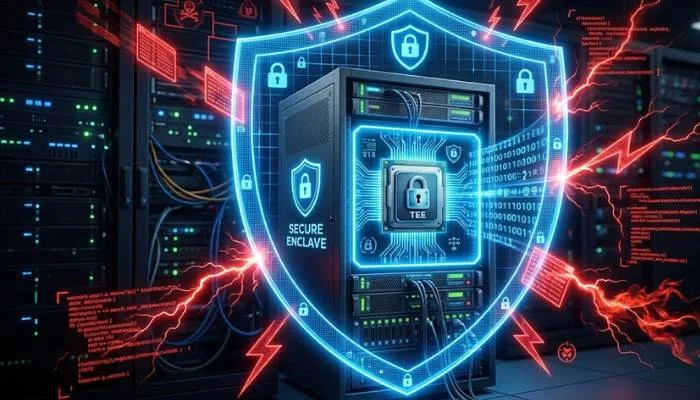
Confidential computing solves this problem. It locks data away inside a secure area that no one can see, not even the cloud provider. Even if someone gets physical access to the hardware, they cannot read the data .
This is very useful for banks, hospitals, and government agencies in India. They handle sensitive information that must stay private. By 2029, over 75 percent of sensitive operations will use confidential computing .
Right now, most cybersecurity is reactive. We wait for attacks to happen, then respond. This is too slow.
Preemptive cybersecurity takes action before an attack occurs. It uses AI to predict where attackers will strike. It blocks threats before they can do damage. It creates fake decoys to catch hackers .
By 2030, half of all security spending will go to preemptive solutions . Indian companies need to shift from waiting for attacks to preventing them.
Do you know where your software comes from? Do you know if the code is safe? Digital provenance helps answer these questions.
It tracks the origin of software, data, and digital content. It checks if they are genuine and unchanged. It creates a record of who touched what and when .
This is important for Indian companies that use open-source software. Many security problems come from untrusted code. Digital provenance helps identify and avoid these risks.
By 2029, companies that do not invest in digital provenance could face huge penalties .
Global politics is affecting technology. Some countries are using cloud services from other countries. This creates risks. The hosting country might demand access to data. It might impose new rules. It might cut off services during a conflict.
Geopatriation means moving data and applications from global clouds to local ones. Companies choose regional providers or build their own data centers .
In India, this trend is growing. Companies want more control over their data. They want to follow Indian laws more easily. They want to build trust with Indian customers.
By 2030, over 75 percent of European and Middle Eastern companies will use local clouds. India will likely follow this path .
You May Also Read: How to Apply for PAN Card Online in India (2026 Step-by-Step Guide)
The technology trends for 2026 are exciting, but they also require preparation. Here are some simple steps for Indian businesses and individuals.
Overall, the technology advancements expected in 2026 will have a significant impact on the world as we know it. The changes are significant and sweeping, both in terms of AI supercomputing and physical robots, private computing and local clouds.The trends provide opportunities as well as challenges for India. Businesses that move quickly will be ahead of the game.
Employees who attain new skills will remain relevant. Change is a positive factor that will make communities stronger.Things move quickly around the planet. However, if you know what you're doing and prepare properly, you can go with it. The future isn't a place you get to.The future is not a destination you reach. It is something that you can contribute to the making of.Stay curious. Keep learning. Be prepared to enjoy a great deal of fun.