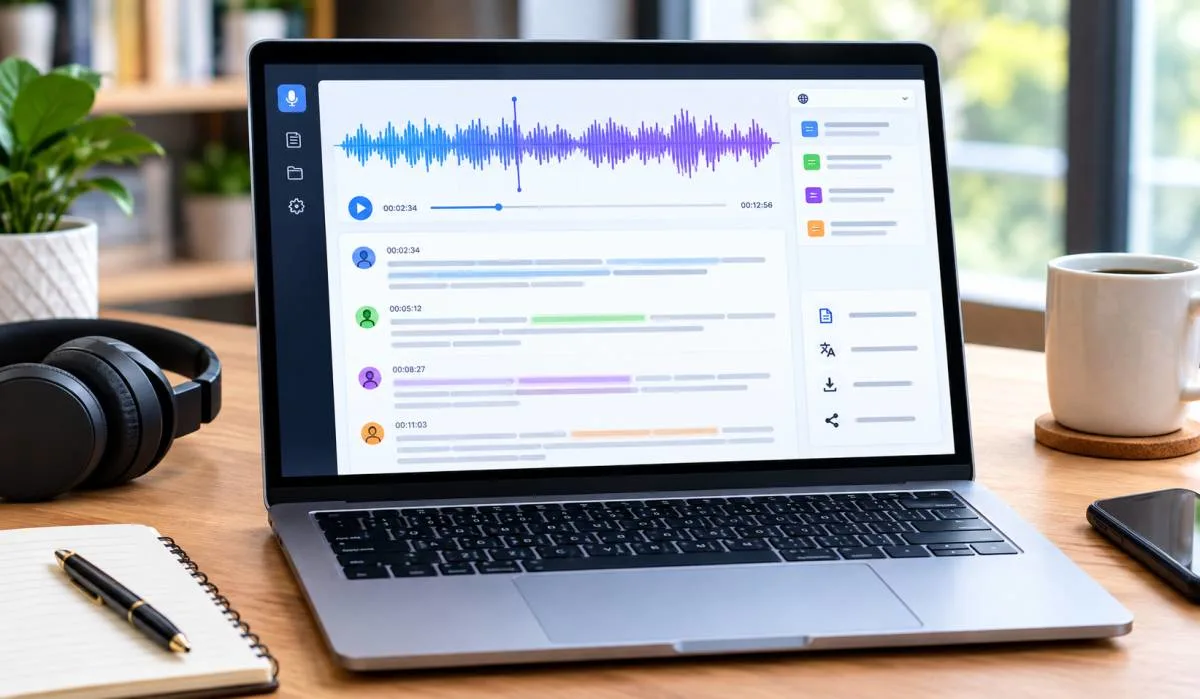
Best AI Transcription Tool Review: Which One Should You Use?
AI transcription used to be slow. Not anymore. What took hours now takes minutes. The tools are faster. More accurate....
Gadgets & Technologies Are Together

Starting a business comes with a long list of things to figure out. One of the biggest early decisions is picking the right software. With so many options out there, it is easy to get lost. This guide gives you a clear look at the best SaaS tools review for startups can use in 2026. We cut through the noise to show you what works and what does not.
SaaS stands for Software as a Service. Instead of buying and installing software on each computer, you rent it. You pay a monthly or yearly fee to use the tool online . This model is perfect for startups because it has no big upfront costs. You can start using powerful tools for a small monthly fee and cancel anytime.
SaaS tools help you with almost every part of running a business. They handle your customer relationships, team communication, project management, and payments. The best part? They are always updated by the provider. You do not have to install patches or worry about security fixes .
Read More: Best Indian RD Account Interest Rate 2026 Review: YES Bank vs Post Office
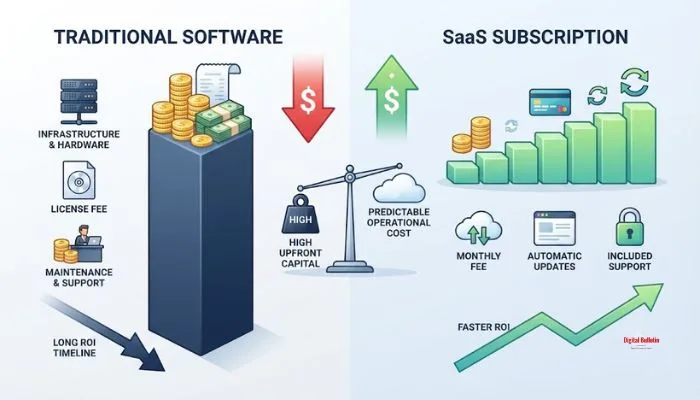
The SaaS market is huge. In 2026, the global market is worth hundreds of billions of dollars . A good tech stack covers ten key areas . Here are the most important categories and the best tools in each.
Keeping projects on track is non-negotiable. You need a tool that makes work visible and keeps everyone accountable.
Linear stands out for engineering teams. It is a fast issue tracker built for software development. It feels like the team behind it got tired of slow, clunky tools. The keyboard shortcuts and cycles view help developers stay focused. They spend less time clicking menus and more time writing code .
Notion is the all-in-one workspace for non-technical teams. It replaces Google Docs, Trello, and a wiki all in one place. You can build custom databases for hiring pipelines or content calendars without code. It is the command center for many early-stage startups . The free tier is generous, making it a top choice for teams that want one tool for notes and tasks .
Asana works well for marketing and operations teams. It uses workflow templates and timeline views to coordinate complex projects across departments .
Without good communication, remote teams fall apart. The right tool keeps conversations organized and searchable.
Slack is the standard for team messaging. More than 750,000 organizations use it . The channel structure keeps conversations tidy. You post in the right channel instead of deciding who to copy on an email. The free tier is good for small teams, but the 90-day message history can become a limit . Slack Connect allows you to collaborate with clients without making them join your workspace .
Discord is a budget alternative. It works well for developer communities and gaming startups. Voice channels let you talk without scheduling calls. The free tier has no major limits. However, outside stakeholders may expect Slack .
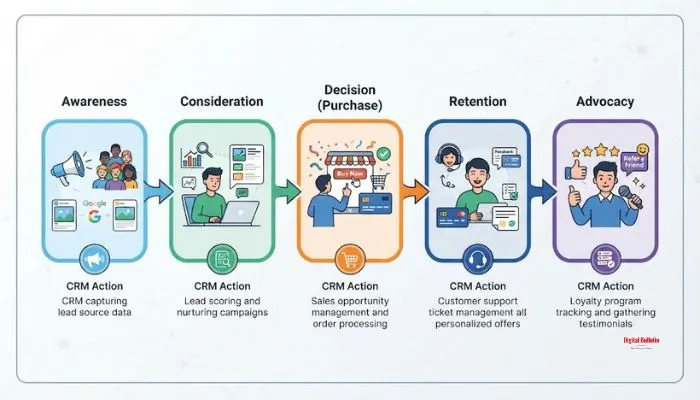
Once you have more than 50 leads, you need a CRM. It keeps track of all your contacts, deals, and communication.
HubSpot CRM is arguably the best free CRM available. You get unlimited users and contacts. The deal tracking and email logging are free forever. No credit card is required to start. Many B2B startups run their entire sales process on HubSpot for over a year before paying a dime . It also integrates with over 1,300 other tools, including Slack, Zoom, and Stripe .
Attio is a modern alternative for teams with custom sales processes. Its flexible data models let you track relationships in a way that matches your actual workflow .
For technical founders, the developer toolchain is the engine room. GitHub is the universal platform for code hosting. Over 100 million developers use it . The free tier now includes unlimited private repositories with up to three collaborators. GitHub Actions gives you 2,000 CI/CD minutes per month. This is enough for most early-stage teams to test and deploy continuously .
As a trending SaaS product, GitHub is also becoming a key integration point for other startup tools. Many platforms on the list, like Linear and Slack, connect directly with GitHub.
You cannot improve what you do not measure. Analytics tools tell you how users find and use your product.
The SaaS landscape is changing fast. Here are a few trends shaping the best tools.
Almost every major SaaS tool now includes AI features. Notion uses AI to help draft documents and summarize meetings . Slack AI summarizes channels and threads . These features save time for small teams by automating repetitive tasks . AI is no longer a separate category but a standard feature in most platforms.
More people are working from different locations. Many top SaaS products are now being built with a mobile-first approach. The expectation is that 75% of internet users will only use smartphones by 2026. Tools like Slack and HubSpot have robust mobile apps .
You May Also Read: Best UPI App for Teenager in India 2026: FamPay Tops for Students and Cashback

Many SaaS tools have improved their free tiers significantly. What used to cost a startup thousands a month can now be done at zero cost in the first year . For example, HubSpot's free CRM supports a full sales process. GitHub supports unlimited private repos. Slack allows unlimited users.
However, free tools come with hidden costs. Data lock-in is a real problem. Migrating from one tool to another is difficult and time-consuming . You also have to watch for "silent cost leakage." That $29 per month tool you forgot about can bill you for months. Use a spend management tool like Ramp to catch unused subscriptions .
Picking the best SaaS tools for your startup is not about getting the most expensive or feature-rich option. It is about finding tools that fit your stage and solve your immediate problems . Start small. Use free tiers for as long as possible. Add paid tools only when your team outgrows the free version.
The core stack for most startups includes:
Audit your tech stack every six months. Cut anything you have not used in the last 30 days. This simple habit will save you money and reduce complexity. With the right tools, you can focus on building your business, not fixing broken processes.
HubSpot. No question about it. You get unlimited users. You get unlimited contacts. You can track deals and emails without spending a dime. Most startups use the free plan for more than a year before they upgrade. It just works.
It is where the code lives. Every developer knows it. You get unlimited private repositories for free. It hooks up to Slack and other tools. If you are building software, you need GitHub. Simple as that.
You rent the software. You do not buy it. You do not install it. You pay a small fee each month and use it online. Cancel when you want. It keeps your costs low when money is tight.
AI is everywhere now. Notion has AI that writes for you. Slack has AI that sums up threads. Mobile apps are also getting better. People work from their phones a lot more these days.
Five at most. One for tasks. One for chat. One for customers. One for code. One for data. Stick to free plans. Pay only when you have to. Drop any tool you have not opened in a month. That is the rule.